The stories
Highland stories and Culloden
What a Highland storyteller may draw on: the seanchaidh tradition, Inverness as the Highland capital and the history of 1746, from Culloden to the Dress Act.
Book the ceilidh dinner ↗Quick answer
The Inverness evening includes a resident storyteller who tells Highland stories. Which tales you hear is the storyteller's choice, so nothing here is a programme. The sources behind Highland storytelling are the Gaelic seanchaidh tradition and the history of the region, above all the Battle of Culloden near Inverness on 16 April 1746 and the laws that followed it.
What the storyteller may draw on
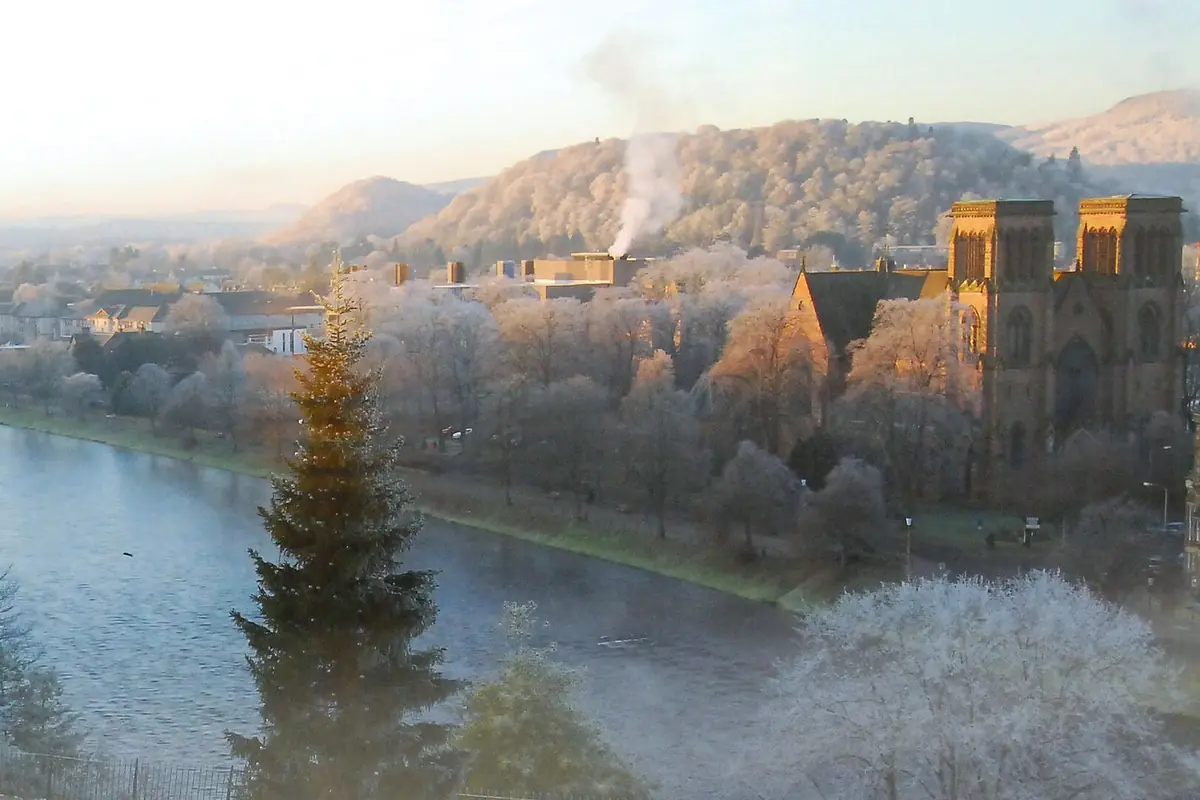
The booking page says the evening has Highland stories told by a resident storyteller. It does not list the stories, and a storyteller can change them from night to night. This guide covers the material the tradition and the region offer, so you know the background if a story touches it. It is not a forecast. Read the evening as a themed night built on Highland folklore and history, with the choice of tale left to the person telling it.
The seanchaidh tradition
Wikipedia describes the seanchaidh, the Scottish Gaelic word for a storyteller and historian, as a bearer of old lore who kept laws, genealogies, annals and literature in memory. Tales passed from one practitioner to another without being written down, and covered folklore, myth, history and legend. The article says the formal role faded after the 1600s, and the word later came to mean a traditional storyteller of humbler birth. In Scotland the word is usually anglicised as shenachie.
A ceilidh was once a night of stories
Wikipedia says a ceilidh originally meant any social gathering, with no dancing needed, and that the Carmina Gadelica of 1900 describes it as a literary entertainment of stories, poems, ballads and songs. Storytelling at a modern ceilidh therefore harks back to the form's roots. Dancing has largely taken over the name in recent decades, though some events still keep guest performances of music, song and storytelling alongside it.
Inverness and the Highlands
Wikipedia describes Inverness as the administrative centre of the Highland Council and the de facto capital of the Highlands. It sits at the mouth of the River Ness, which is where its Gaelic name, Inbhir Nis, comes from. The article says Saint Columba visited in AD 569 to meet the Pictish king Brude, and that the first royal charter was granted by David I in the twelfth century. The 2022 census counted 48,248 people, and the city was granted city status in 2000.
Culloden, 16 April 1746
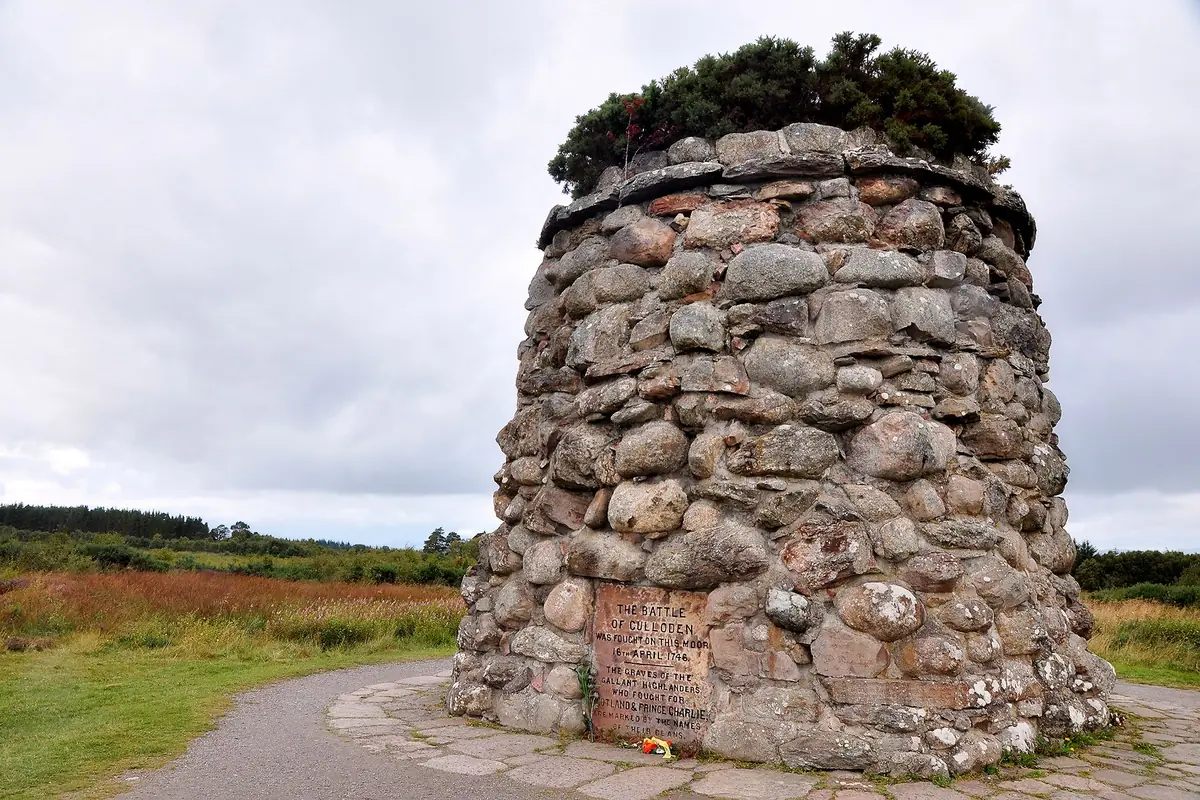
Culloden Moor lies near Inverness, and the battle fought there on 16 April 1746 ended the Jacobite rising of 1745. Wikipedia says a Jacobite army under Charles Edward Stuart faced a government force under the Duke of Cumberland, and that the battle was brief, lasting less than an hour. It describes the Jacobite defeat as overwhelming and bloody. Charles fled, and the article says he never returned to Scotland. The battlefield became a registered battlefield on 21 March 2011, and a visitor centre opened nearby in December 2007.
What came after: the Dress Act
After Culloden the government moved against Highland society. Wikipedia says the Dress Act 1746, part of the Act of Proscription, outlawed Highland dress, including the kilt, for men and boys north of the Highland line, with exceptions for soldiers in Highland regiments. A first offence carried up to six months in prison. The Use of Highland Dress Act 1782 repealed it. Within two years of the ban, Highland aristocrats founded the Highland Society of Edinburgh, which aimed to promote traditional dress again.
From ban to revival
Wikipedia describes the modern Highland games as largely a nineteenth-century development, following the Jacobite rebellions and the Dress Act ban on Highland dress. Highland dancing joined the games during that revival, and many older dances were lost as competition choices narrowed. The Inverness Highland Games are held at Northern Meeting Park, the article says. None of this is part of a ticket, but it explains why kilts, pipes and dances now carry the weight of heritage.
Who this isn't for
A storytelling evening is not for anyone who wants a lecture, a guided battlefield tour or a promise that a particular story will be told. It is not a replacement for visiting Culloden itself, which is a separate site with its own visitor centre. And it does not suit listeners who dislike stories told over a meal: the storyteller shares the room with dinner and with music, and the booking page does not say how the two are balanced.
Frequently asked questions
What stories are told at the Inverness ceilidh?
The booking page says Highland stories are told by a resident storyteller. It does not list them, so the tales can change from night to night.
What is a seanchaidh?
Wikipedia describes the seanchaidh as a traditional Gaelic storyteller and historian who kept lore, laws and genealogies in memory. In Scotland the word is usually anglicised as shenachie.
When was the Battle of Culloden?
Wikipedia gives 16 April 1746, near Inverness. The battle was brief, lasting less than an hour, and ended the Jacobite rising of 1745.
Sources